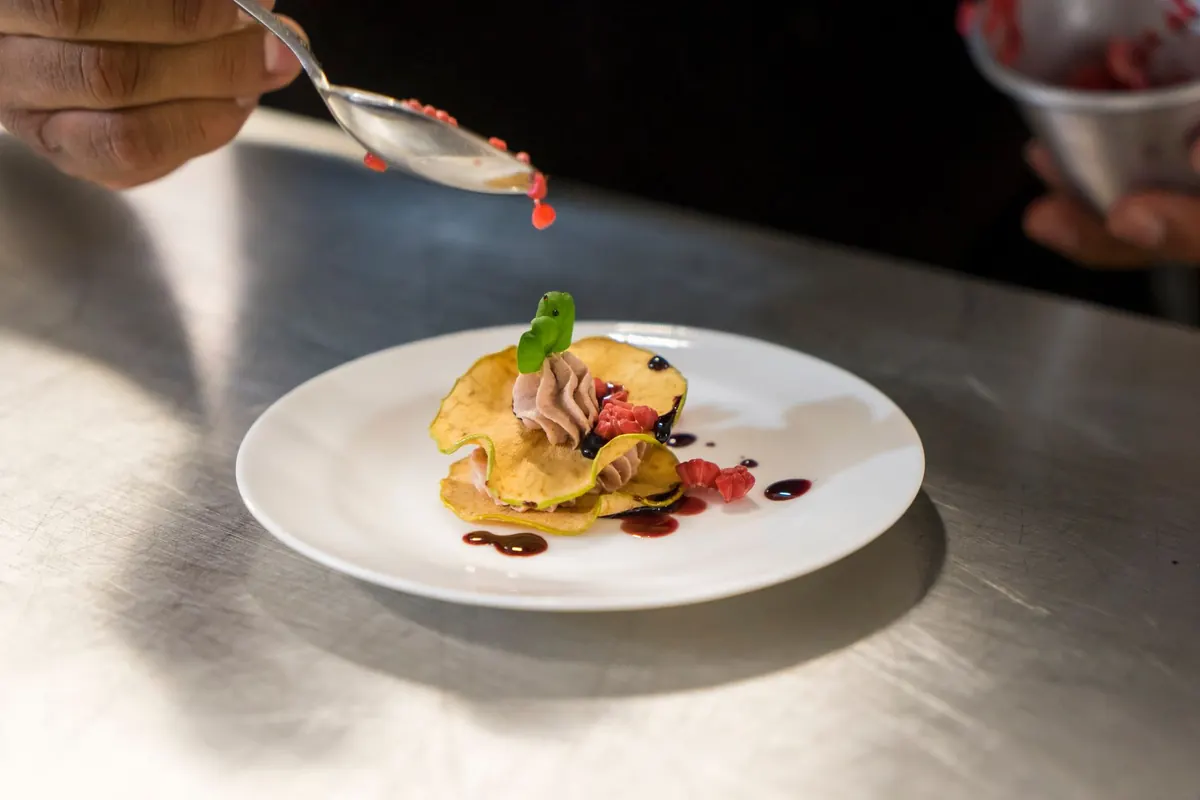
The Pudding Garnish Checklist: 12 Ingredients to Keep on Hand
A pudding without a garnish is still pudding. Nobody sends it back. But the gap between a bowl of vanilla custard and a dessert someone reaches for a phone to photograph usually comes down to what you scatter over the top. The problem is timing. Nobody wants to walk to the shop at nine in the evening for a lime, and no one wants to dig through a cupboard while the pudding sits there, slowly losing its chill. Keep a small, deliberate set of garnishes on hand and decorating becomes a two-minute habit instead of a project.
What a Good Garnish Is Actually Doing
Most pudding is soft, cold, and sweet. That narrows the job description. A garnish earns its place by doing at least one of four things: adding crunch, adding color, adding aroma, or adding a small surprise — a hit of salt, a tart edge, a crackle of sugar.
When you taste a spoonful of pudding, the base sets the tone and the garnish makes the argument. A caramel pudding with nothing on top tastes flat after the third bite. The same pudding with flaky salt and toasted hazelnuts tastes finished.
My rule is one of each: one texture, one color, one aroma. Chocolate pudding with salt, hazelnuts, and orange zest works. Chocolate pudding with salt, hazelnuts, orange zest, crushed cookies, cherries, and gold sprinkles becomes a pile. Restraint reads as skill.
Fresh: Small Quantities, Big Lift
Fresh garnishes are the ones people notice first, and the ones that go bad fastest. Buy them in small amounts and treat them as a two-week supply, not a pantry item.
Citrus is the hardest-working fresh garnish you can keep. Zest a lemon before you juice it — otherwise the best part ends up in the sink. Grated zest stirred into sugar and left for ten minutes becomes fragrant citrus sugar, which is excellent over rice pudding and panna cotta. Zest also freezes well: spread it on a tray, freeze, then bag it. It loses a little brightness but keeps the oils that matter.
Mint and basil are worth keeping for aroma alone. Store mint like flowers — stems in a glass of water, loosely covered, in the fridge door — or wrap the bunch in a barely damp paper towel and tuck it into a container. Wash it only when you use it. Wet leaves rot quickly.
Berries should be refrigerated unwashed and rinsed at the last minute. Frozen berries are a fine substitute, with one warning: they bleed. Use them straight from the freezer so the color stays on the fruit, or crush a handful into a quick sauce and serve it alongside instead of on top.
Crunch: The Layer People Remember
Texture is where most home desserts fall short, and it is the easiest problem to fix. Toasted coconut flakes, toasted nuts, cookie crumbs, and granola clusters cover nearly every pudding you will make.
Toast small batches in a dry skillet over medium heat, moving them constantly, and pull them when they smell nutty and look one shade darker than feels comfortable. Then let them cool completely on a plate before they go into a jar. Warm anything sealed in a container will steam, and steamed crunch is no crunch at all.
Nuts reward a little extra effort. Toast them, rub off any loose skins in a towel, then chop by hand — a knife leaves uneven pieces that read better on top of a soft surface than uniform crumbs from a processor. Salted nuts are fine if your pudding is sweet and mild; unsalted is safer if you are already adding flaky salt.
Cookie crumbs are the frugal option and often the best one. Save the last two biscuits in a packet, the broken shortbread, the gingersnaps nobody finished. Pulse them coarsely, freeze them, and use them within a couple of months.
Sweet Finishes From the Pantry
These keep for months and rescue you on the nights when the fridge is empty.
A bar of dark chocolate earns its shelf space because it behaves like three ingredients. Grated fine, it becomes a dusting. Shaved with a vegetable peeler, it becomes curls. Melted and spread thin on parchment, then chilled and snapped, it becomes shards that stand up in a pudding like glass. Flaky sea salt belongs next to it — a few grains on caramel, butterscotch, or chocolate do more than any sprinkle.
Dried fruit, candied ginger, and candied peel round out the sweet side. Dry cherries and apricots taste tired straight from the bag; ten minutes in hot water, tea, or a splash of orange juice plumps them back up. Candied ginger should be cut small, because it is intense, and it pairs beautifully with anything creamy and slightly bland.
The Twelve-Ingredient Checklist
- Lemons and oranges — for zest, citrus sugar, and thin slivers of peel. Zest before juicing; freeze what you do not use.
- Fresh mint — one or two leaves are enough. Store stems in water, covered, in the fridge.
- Fresh berries — raspberries, blueberries, blackberries. Rinse only right before serving.
- Pomegranate arils — jewel-like, tart, and they hold up for days in a sealed container.
- Toasted coconut flakes — big flakes, not shredded. Toast in a dry pan and cool fully.
- Toasted nuts — pistachios, hazelnuts, almonds. Toast, cool, chop, jar, freeze for long storage.
- Cookie crumbs — shortbread, gingersnaps, digestives. Coarse, not powder.
- Granola clusters — break them into pieces rather than scattering dust.
- Dark chocolate — one bar for grating, shaving, and shards.
- Flaky sea salt — a pinch, never a shower.
- Dried fruit — cherries, apricots, cranberries. Plump them in hot liquid first.
- Candied ginger or peel — chopped small; a little goes a long way.
Storage Rules That Keep Garnishes Worth Using
- Use small jars, not big ones. A large jar of crumbs goes stale before you finish it.
- Keep everything airtight, cool, and dark. Light and air are what turn toasted coconut and nuts stale.
- Label with the date. Two months is a reasonable target for toasted items; freeze nuts if you buy in bulk.
- Store nuts and spices apart — they trade aromas through plastic and thin glass.
- Put the garnish shelf at eye level. What you cannot see, you will not use.
Three Pairings That Always Work
Chocolate and salt: dark chocolate shards, flaky salt, chopped hazelnuts. Nothing else needed.
Citrus and cream: lemon zest, torn mint, shortbread crumbs over vanilla or rice pudding.
Fruit and crunch: pomegranate arils, pistachios, and toasted coconut over yogurt-based or coconut puddings.
Make It a Habit
Once a month, spend fifteen minutes on maintenance: toast a tray of coconut and nuts, pulse the odds and ends of biscuits into crumbs, and refill the jars. Shop from the checklist rather than from memory, and you will stop arriving home with three kinds of sprinkles and no lemon.
One practical note if you are cooking for others: nuts, dairy, and gluten are common allergens, so keep garnishes separate and let guests add their own. Check labels if someone at the table has a serious allergy, and when in doubt, ask rather than assume.