7 Common Pudding Decorating Mistakes and How to Fix Them
Pudding is one of the most forgiving desserts to make and one of the most revealing to serve. It holds a spoon mark, catches every bit of light, and shows a puddle faster than almost any cake. A bowl that tastes wonderful can still arrive at the table looking tired, and the fix is usually one small change rather than a new recipe. These are the mistakes that show up most often in home kitchens, and what to do instead.
1. Topping the Pudding While It Is Still Warm
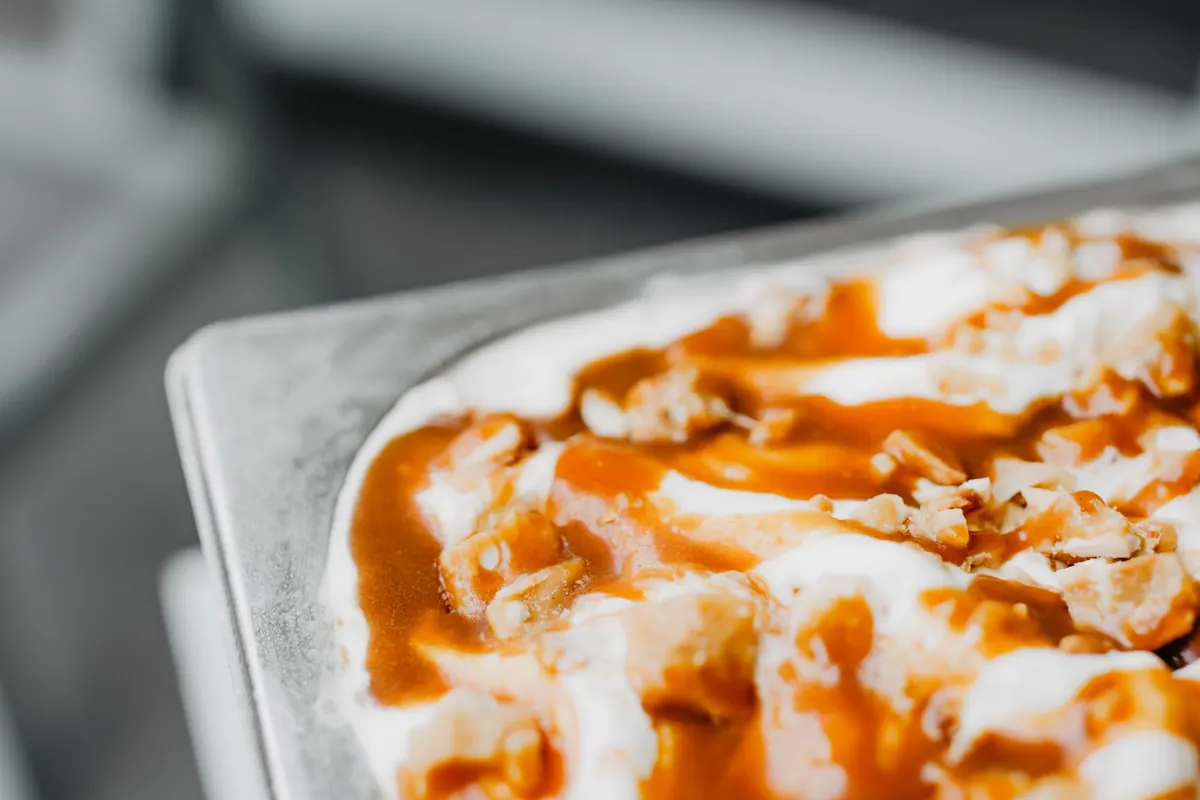
Warm pudding plus cold cream plus a pourable sauce equals a swirl that keeps sliding. Sauces thin as they heat, so even a properly made caramel will run straight to the rim if it is ladled on too soon. The pudding itself is also still loose, which means anything you pile on top slowly sinks out of view.
Chill the pudding until it is fully set. For cornstarch or egg-thickened mixtures, that usually means at least four hours in the refrigerator, and overnight is better. Then bring your topping to room temperature before it goes anywhere near the bowl. If you want the dramatic pour, save it for the table and do it over individual servings so the sauce hits the pudding only seconds before someone tastes it.
The ten-minute test
Dip a spoon into the center of the chilled pudding and pull it straight up. If the hole holds its shape and fills back slowly, you are ready to decorate. If the pudding rushes back the instant you lift the spoon, give it more time.
2. Overcrowding the Surface
More garnishes rarely means better presentation. A pudding topped with berries, caramel, whipped cream, crushed cookies and a mint sprig reads as busy, and the person eating it cannot tell what the dessert is actually about. Every element fights the others for attention, and the result looks less generous rather than more.
Choose one hero element, one supporting element, and, if you want texture, one accent. Three pieces is usually plenty.
- Hero: what you want noticed — a glossy chocolate glaze, macerated strawberries, a soft drift of whipped cream.
- Support: something that reinforces the flavor — a spoonful of the same fruit cooked down, a light dusting of cocoa.
- Accent: texture or a small surprise — toasted hazelnuts, crushed shortbread, a few flakes of salt.
Then leave a margin of bare pudding around the edge. Empty space is what makes the garnish look deliberate instead of dumped.
3. Letting Fruit Brown and Pudding Skin Over
Cut bananas, apples, pears and peaches discolor quickly, and a garnish that was bright at noon can look sad by dessert. Add these fruits within an hour of serving, or skip them in favor of berries, cherries, mango, pomegranate seeds and citrus segments, which hold their color far longer. If you do need to cut ahead, toss the slices in a little lemon water, drain well, and pat them dry before they touch the pudding.
The other browning problem is the leathery skin that forms on custard as it cools. Some people love it; if you do not, press a sheet of plastic wrap directly onto the surface while the pudding cools, then peel it away before you decorate.
4. Serving Pudding in the Wrong Vessel
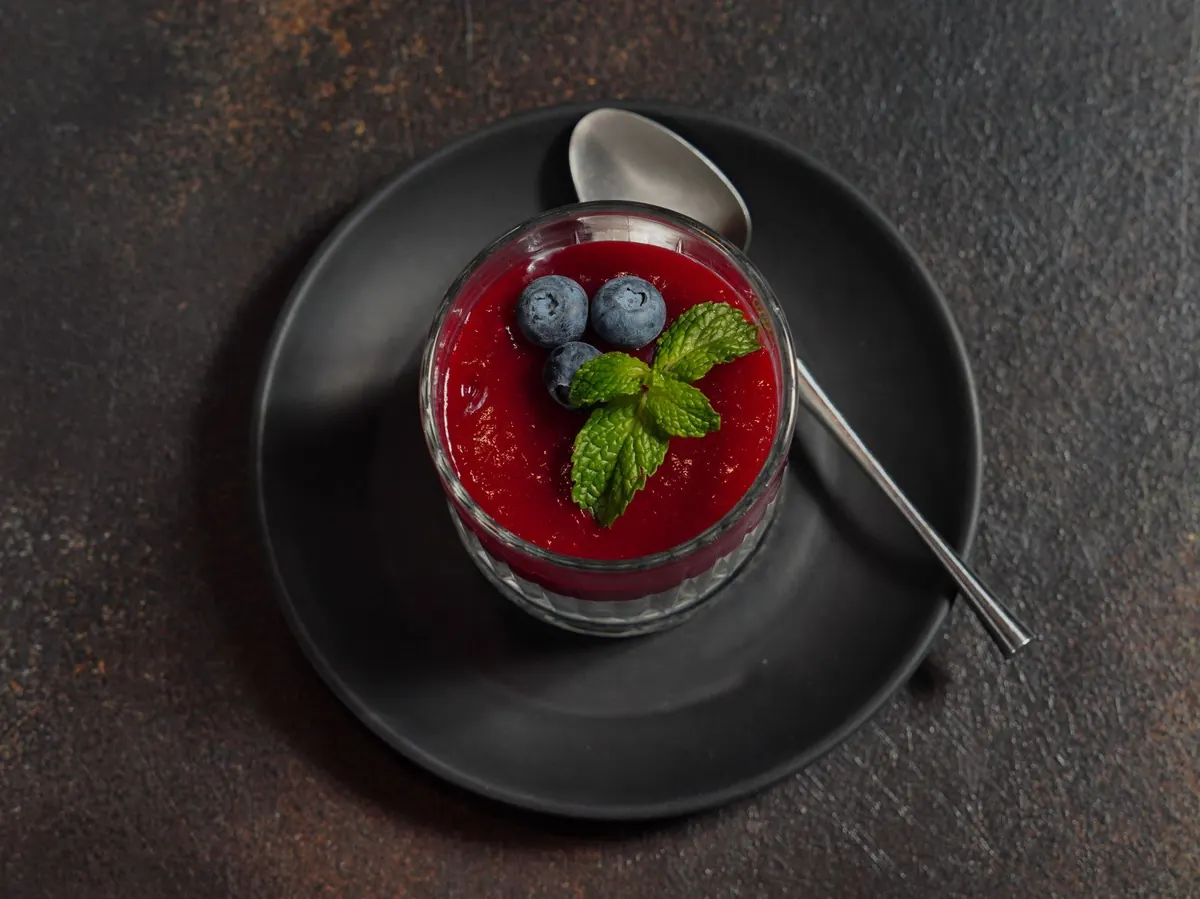
A wide, shallow bowl spreads the pudding into a thin layer that looks skimpy, while a narrow, tall glass can hide the layers you worked to build. Match the dish to the dessert. Small and deep makes a modest portion look generous, and a clear glass works only when the layers themselves are worth seeing.
Chill your bowls in the refrigerator for ten minutes before serving. Glass and ceramic hold that cold, which keeps the pudding set a little longer at the table. Wipe the rim with a damp cloth after filling, and set each bowl on a small plate or a folded napkin so drips land somewhere other than the tablecloth.
5. Creating Visual Imbalance
Imbalance is easier to spot than to describe. A garnish crowded to one side, sauce pooled on the left, cream piled so high the pudding disappears underneath — all of it registers as slightly off, even when the eater cannot say why.
Think of the surface as a clock face and place your elements against it. Three berries arranged in a loose triangle look intentional; three berries in a straight line look accidental. Keep the heaviest element slightly off-center rather than dead in the middle, and let the sauce follow the shape of the bowl instead of cutting across it.
Color matters too. A white pudding with white cream and white chocolate curls flattens into a single pale mass. One dark note — a few raspberries, a dusting of cocoa, a scatter of chopped dark chocolate — gives the eye somewhere to land.
6. Adding Crunchy Toppings Too Early
Crushed cookies, toasted nuts, meringue shards and cereal clusters are the fastest way to add contrast to a soft dessert. They are also the first thing to go soft. Steam rising from a cold pudding is enough to soften them within twenty minutes, and by the time dessert reaches the table they have turned chewy.
Toast nuts and cool them completely before using, since warm nuts release their own steam. Add anything crunchy at the very last moment, or serve it in a small dish on the side so each person can add their own. A side dish of crushed cookies looks thoughtful, and it solves the timing problem entirely.
Small Habits That Make Pudding Look Intentional
Set out everything you plan to use before you start: the bowl, the spoon, the garnish, a small dish of water for your fingers. Working from a tray instead of hunting through the refrigerator keeps the surface clean and the pudding cold.
If something has already gone wrong, work with it rather than against it. A sauce that spread too far can be nudged back with the back of a spoon and swirled into a deliberate pattern. A garnish that slid to one side can be lifted with a fork and reset. If the pudding is truly beyond saving, spoon it into small glasses, top each one with cream, and call it a parfait.
Most of these fixes take under a minute. Chill a little longer, choose fewer toppings, add the crunchy things last, and leave some bare pudding showing. That is the whole difference between a bowl that looks thrown together and one that looks like someone thought about it.
Photo: Kai-Chieh Chan / Pexels